Why waste heat
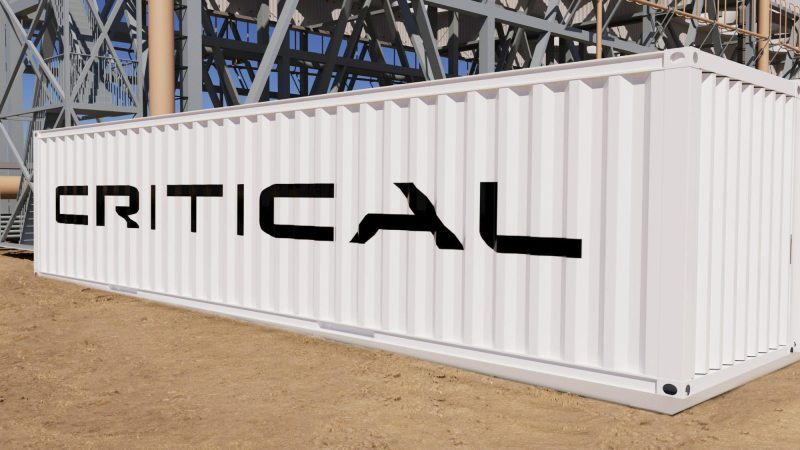
Every exhaust stream is an untapped power plant
Whenever fuel is burned to generate power, a large share of its energy leaves as hot exhaust. Gas turbines, fuel cells, engines, and industrial processes all reject heat into the atmosphere as a byproduct of normal operation. That heat is already paid for, already onsite, and, unfortunately, often wasted.
Waste heat recovery captures this thermal energy and converts it into additional electricity, with no extra fuel or added emissions. Critical Energy builds the factory-made modular Organic Rankine Cycle (ORC) systems that turn that lost heat into clean, dependable power.
Recovering heat wherever it is produced

Critical Energy’s factory-built power plants are engineered to integrate with a wide range of heat sources. Our closed-loop system takes in a thermal stream, converts the heat into electricity, and rejects the remainder, all without interfering with the host equipment’s operation.
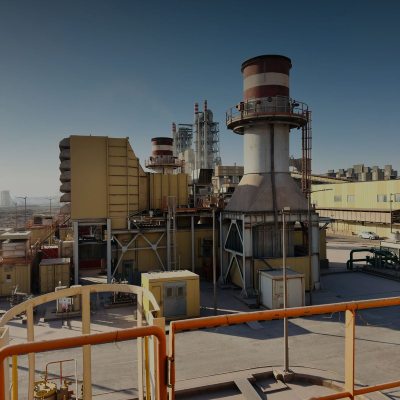
We convert exhaust heat from onsite gas turbines, reciprocating engines and fuel cells, like those powering data centers, into clean extra capacity.
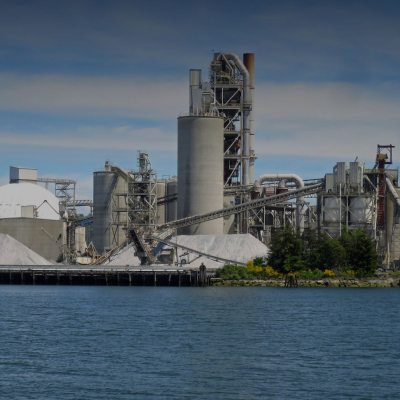
We recover heat from producing critical materials like glass, steel, cement and iron, improving efficiency and uptime.
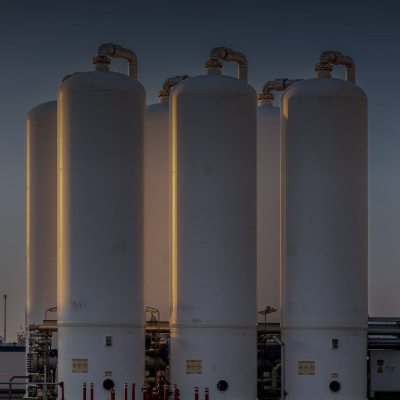
We capture heat from upstream, midstream and downstream energy processes, such as refineries and gas compressor stations, reducing reliance on grid power at remote sites.
Waste heat advantages

The heat source is a byproduct of equipment already running, so the marginal fuel cost of every recovered kilowatt-hour is zero.

Converts existing waste heat into electricity without burning additional fuel or increasing the site’s carbon footprint.

Recovered kilowatts can be used to generate more power for the power offtaker, or to reduce system parasitic load.

Factory-built modular units ship in standard containers and install in weeks, not years, with minimal onsite construction.

Closed-loop, air-cooled design operates without water consumption, simplifying siting and permitting.

Closed-loop operation with no consumables and minimal onsite maintenance keeps units running with little operator attention.
Built on the same platform as our geothermal plants

Our Apex product line was designed from the ground up to be heat-source agnostic. The same factory-built module that converts geothermal brine into electricity connects to combustion exhaust with plug-and-play integration, full pre-ship testing, and minimal onsite labor. Install it, connect it, and let it run.
Interested in recovering power from your site’s waste heat?
Reach out at sales@criticalenergy.com.