Why geothermal

Geothermal energy is now accessible anywhere on Earth
Geothermal energy is the heat stored within the Earth. This natural resource originates from the planet’s core and is constantly renewed, making it both sustainable and dependable. Traditionally, geothermal has been harnessed from underground reservoirs of hot water and steam, where wells bring this heat to the surface to generate electricity or provide direct heating.
Now, with modern drilling and engineering, we can go beyond rare hot springs and geysers to access heat directly from hot rock. This innovation transforms geothermal into a truly global energy source — reliable, low-emission, and scalable almost anywhere on Earth.
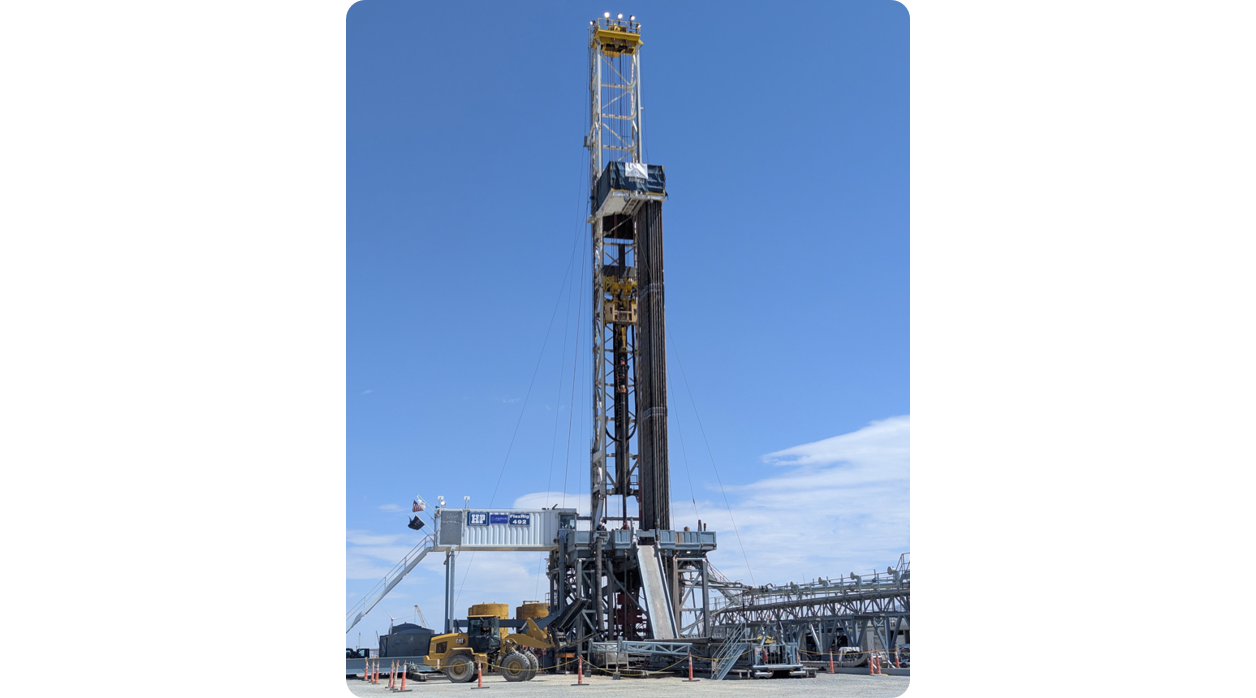
Keeping pace with drilling advances
There have been many recent advances in drilling and extraction methods for geothermal heat. Critical Energy’s geothermal power plants are engineered to work with all of these methods, allowing us to convert the extracted heat into useable electricity.
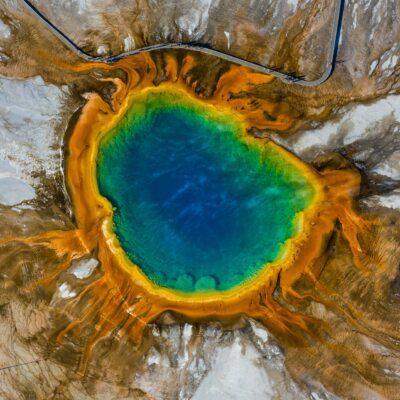
Uses naturally occurring hot water or steam reservoirs tapped through wells to generate electricity or provide direct heating

Involves creating or stimulating fractures in hot dry rock to circulate water and extract heat where natural permeability is low.

Employs closed-loop designs that circulate working fluids through engineered wells without relying on natural reservoirs.

Taps into deep, porous sedimentary rock formations filled with hot water to generate heat or power.

Source:
Challenging Conventional Wisdom
The Key to Achieving Transformational Change.
Greg Leveille, June 10, 2025
Geothermal advantages


Geothermal provides consistent baseload power, ensuring steady energy regardless of weather or season.

Geothermal plants require very little land, using far less space per megawatt than solar farms or wind projects.


Geothermal produces only a fraction of the carbon emissions of fossil fuels, making it one of the cleanest energy sources available.


With reinjection and responsible reservoir management, geothermal resources can supply renewable energy indefinitely.


Once operational, geothermal plants have low running costs and deliver stable, long-term pricing that’s less exposed to fuel market volatility.